Solar Battery Comparison: Find the Best for Your Home
Choosing the right solar battery can maximize your energy savings and provide backup power during outages. Our in-depth solar battery comparison evaluates the top brands on the market, breaking down cost, warranty, usable capacity, and efficiency to help you make the smartest investment.
- Title: The Indian Homeowner’s Ultimate Guide to Choosing the Best Solar Battery
- I. Introduction: The Power Shift in Indian Homes
- II. The 6 Golden Rules: How to Evaluate a Solar Battery
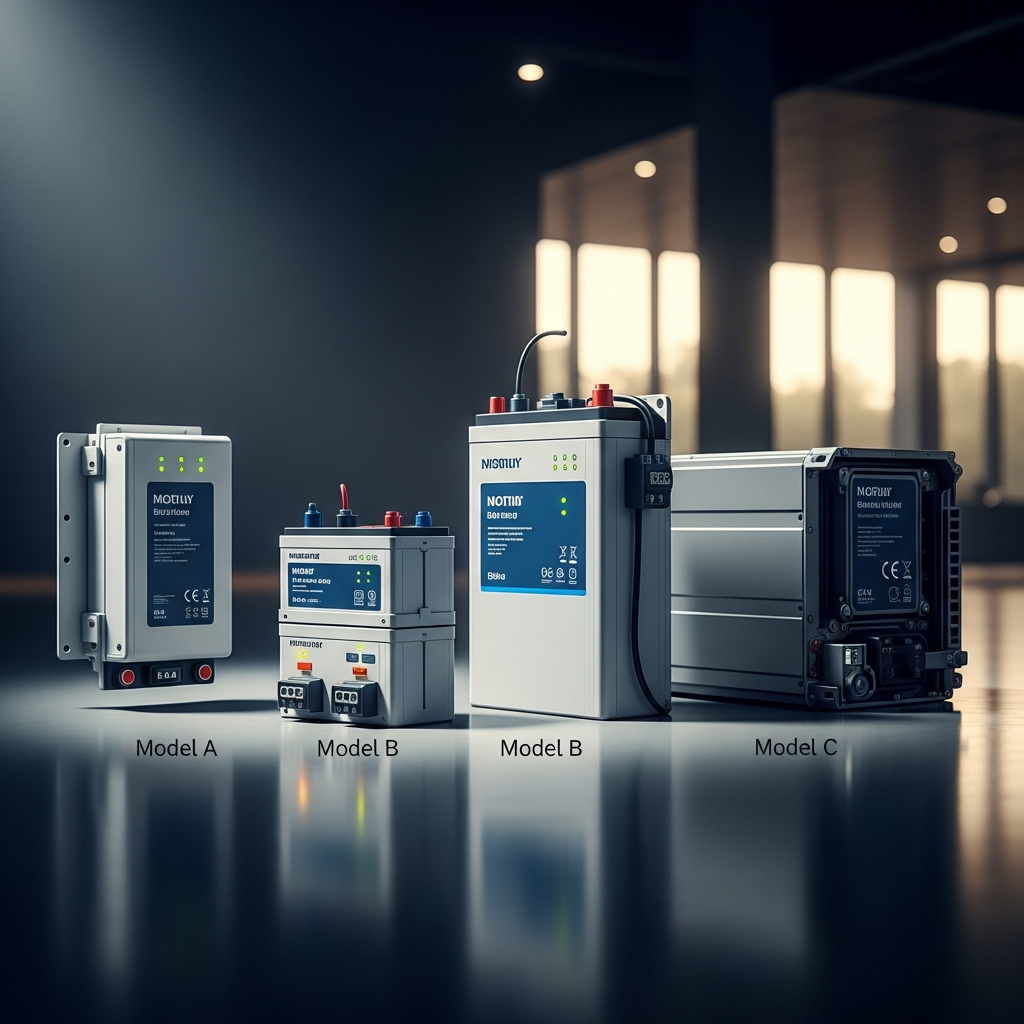
- III. The Showdown: Top 3 Solar Battery Products Compared
- IV. The Economics: Cost, ROI, and Indian Government Subsidies
- V. Installation, Safety, and Final Verdict
- Conclusion
- Frequently Asked Questions (FAQ)
Key Takeaways: * Lithium-Ion (LiFePO4) is the modern gold standard, offering a 10-15 year lifespan, zero maintenance, and 95% Depth of Discharge, making it cheaper in the long run than Lead-Acid. * Traditional Lead-Acid (Tall Tubular) batteries remain a highly viable, budget-friendly option for homes with ample space, but they require regular water top-ups and have a shorter 3-5 year lifespan. * Never connect a modern solar battery to an outdated inverter; you must use an MPPT solar inverter to safely maximize charging speed and panel efficiency.
Title: The Indian Homeowner’s Ultimate Guide to Choosing the Best Solar Battery
I. Introduction: The Power Shift in Indian Homes
A. The Reality of the Indian Power Grid
The Indian power grid has improved tremendously, but frequent load shedding and erratic power cuts still plague many neighborhoods. Homeowners are rapidly transitioning from traditional inverter-battery setups to fully integrated home solar systems. This transition is no longer just about backup power; it is about taking control of your electricity.
By adding solar energy storage, you gain a dual benefit: absolute immunity against power cuts and massive reductions in soaring Tier-1 and Tier-2 city electricity bills. Much like how a solar pump for agriculture india revolutionized rural farming costs, residential solar batteries are revolutionizing urban household expenses.
B. Why Solar Panels Aren't Enough (The Need for Storage)
Installing solar panels without a battery is known as an On-Grid system, meaning when the grid fails, your power still goes out. An Off-Grid system relies entirely on batteries, completely disconnecting you from the local power company.
For the vast majority of Indian homes, a Hybrid system is the ultimate sweet spot. It allows you to use free solar power during the day, store the excess in a solar battery for the night, and still rely on the grid as a final backup.
C. The Great Technology Divide: Lead-Acid vs. Lithium-Ion
When shopping, Indian buyers face a massive technological divide between Lead-Acid and Lithium-Ion batteries. It is vital to note that a standard home inverter battery is not the same as a C10 rated solar battery, which is specially engineered for the slow, daily charging cycles of solar panels.
- Lead-Acid (Tall Tubular)
- Pros: Highly affordable upfront cost, massive local service network, widely available across India.
- Cons: Requires regular distilled water top-ups, emits toxic fumes, extremely bulky, shorter 3-5 year lifespan.
- Lithium-Ion (Specifically LiFePO4)
- Pros: Absolute zero maintenance, occupies a fraction of the space, allows deep discharge, and lasts 10+ years.
- Cons: Requires a high initial investment and a specialized, compatible inverter.
II. The 6 Golden Rules: How to Evaluate a Solar Battery
A. Capacity (Ah & kWh) & System Sizing
Battery capacity indicates how much power your home can pull during an outage. While Indian markets heavily advertise Ampere-hours (Ah), the true metric you need is Kilowatt-hours (kWh) or Units.
To translate Ah to usable units for a layman: a standard 12V 150Ah battery mathematically holds about 1.8 kWh (Units) of electricity. By calculating your daily consumption—like fans, lights, and energy-efficient refrigerators—you can easily size your required battery bank.
B. Depth of Discharge (DoD)
Depth of Discharge (DoD) is a battery's actual usable capacity before it requires a recharge. You absolutely cannot use 100% of a Lead-Acid battery without permanently ruining its internal plates; you are restricted to a 50% DoD.
In stark contrast, modern Lithium-Ion batteries safely allow up to 95% DoD. This means a 100Ah Lithium battery gives you nearly double the actual usable power of a 100Ah Lead-Acid battery.
C. Round-Trip Efficiency
Round-trip efficiency measures how much power is lost as heat during the charging and discharging process. This metric is absolutely vital for maximizing the output of your expensive rooftop solar panels. Lithium batteries boast an impressive 95%+ efficiency, meaning almost every drop of solar energy is saved for your home.
D. Cycle Life and Warranty
A battery "cycle" refers to one complete full charge and discharge of the unit. The standard replacement cycle of a traditional Lead-Acid battery is roughly 300 to 500 cycles, equating to a 3–5 year lifespan. Modern Lithium-Ion options offer a staggering 3,000 to 6,000 cycles, comfortably lasting 10–15 years under Indian conditions.
E. Thermal Stability (The "Indian Summer" Factor)
Operating temperature limits matter immensely in Indian cities where peak summer temperatures routinely exceed 45°C. Standard batteries degrade rapidly and lose capacity in extreme heat.
This is why Lithium Iron Phosphate (LiFePO4) chemistry is highly recommended. It possesses exceptional thermal stability and heat resistance, eliminating the fire risks associated with older lithium cobalt technologies.
F. Charging Speed (C-Rating)
Fast charging is critical during short periods of grid availability or intermittent monsoon sunlight. The C-Rating determines how fast a battery can safely absorb power. Lithium batteries feature high C-Ratings, allowing them to fully charge in just 2 to 3 hours, compared to the 8 to 10 hours required for Lead-Acid.
III. The Showdown: Top 3 Solar Battery Products Compared
A. The Budget Workhorse: Exide Solar Tubular (C10 Lead-Acid)
This is the undeniable king for cost-conscious buyers located in Tier-2 or Tier-3 cities who have ample rooftop or balcony space. Boasting a robust 150Ah to 200Ah capacity and a true C10 rating, it is built to survive harsh Indian conditions. It typically comes with a solid 5-year warranty and the backing of an unparalleled national service network.
- Pros: Highly affordable upfront price, exceptional pan-India service network, highly robust against rough handling and voltage spikes.
- Cons: Requires frequent distilled water maintenance, physically bulky, and limited to a 50% usable DoD.
- Action: Buy Exide Solar Tubular
B. The Modern Standard: Loom Solar CAML Series (LiFePO4)
Designed strictly for urban homeowners, apartment dwellers, and buyers focused on long-term ROI. These sleek batteries start at 100Ah (48V) and feature a sophisticated, built-in Battery Management System (BMS) to protect against overcharging. With a 10-to-15-year design life, this is the definitive modern upgrade.
- Pros: Absolute zero maintenance, occupies just 1/4th the physical space of tubular setups, offers IoT smartphone monitoring, and supports ultra-fast charging.
- Cons: High initial upfront cost and strictly requires a compatible Lithium-ready MPPT inverter.
- Action: Buy Loom Solar CAML
C. The Premium Integrated Solution: Luminous Li-ON / Powerwall Style
This category targets premium villa owners who demand high-end aesthetics, "smart" home features, and absolute plug-and-play reliability. These systems combine the Inverter and Lithium Battery into a single, sleek, wall-mounted cabinet. They are specifically optimized with proprietary software to deliver maximum electricity bill savings.
- Pros: Gorgeous aesthetics with zero exposed wires, supremely safe for indoor use, and highly optimized software for energy management.
- Cons: The most expensive category on the market, offering less modular flexibility if you wish to expand battery capacity later.
- Action: Buy Luminous Li-ON
D. At-a-Glance Comparison Matrix
| Rank | Product Name | Best For | Link |
|---|---|---|---|
| #1 | Loom Solar CAML Series | Urban homes & Long-term ROI | Buy Loom Solar CAML |
| #2 | Exide Solar Tubular | Budget buyers & Open spaces | Buy Exide Solar Tubular |
| #3 | Luminous Li-ON System | Premium villas & Aesthetics | Buy Luminous Li-ON |
IV. The Economics: Cost, ROI, and Indian Government Subsidies
A. Upfront Cost vs. Total Cost of Ownership (TCO)
Many Indian consumers fall victim to the "cheap battery trap" by looking only at the immediate price tag. Replacing a ₹15,000 Lead-Acid battery three separate times over a 15-year period creates immense recurring costs. By calculating the Total Cost of Ownership (TCO), buying a single ₹45,000 Lithium-Ion battery today actually saves you thousands of rupees over a decade.
B. Impact of Government Schemes
The Indian government aggressively promotes green energy through the PM Surya Ghar: Muft Bijli Yojana and various state-level net-metering policies. If you are planning a complete installation, understanding the details of the solar panel subsidy india 2026 is vital for reducing your initial solar setup costs.
Crucial clarification: It is important to know that direct government subsidies apply heavily to solar panels and on-grid inverters, not standalone batteries. However, complete hybrid systems (which include batteries) easily qualify for highly subsidized, low-interest green energy loans offered by major Indian banks.
C. Savings Beyond the Electricity Bill
The financial returns of a solar battery extend far beyond simply zeroing out your monthly electricity bill. For housing societies and independent villas, a robust solar battery eliminates the exorbitant costs of running diesel generators during power cuts. Furthermore, you completely eliminate the recurring costs of distilled water, maintenance visits, and frequent battery replacements.
V. Installation, Safety, and Final Verdict
A. Space and Safety Considerations for Indian Homes
- For Apartments/Flats: A wall-mounted Lithium-Ion battery is the only practical and safe choice. Lead-acid batteries emit acidic fumes during charging and pose a massive health hazard in poorly ventilated apartment utility balconies.
- For Independent Houses/Kothis: If you choose bulky Lead-Acid tubular batteries, you must build an outdoor or rooftop battery shed. This shed must be heavily ventilated while protecting the exposed terminals from direct monsoon rain and blistering sun.
B. Inverter Compatibility
Warning: You cannot simply attach a high-tech Lithium solar battery to a 10-year-old traditional home inverter. Doing so will result in severe charging inefficiencies and will likely void your expensive battery warranty.
You must utilize an MPPT (Maximum Power Point Tracking) solar inverter to safely handle the specific voltage curves of modern batteries. While configuring your rooftop tech, you may also want to research the best microinverter brands to maximize your individual solar panel outputs.
C. The Final Verdict: Which Battery Should You Buy?
- If you are on a strict budget and have open, well-ventilated space: Go for a Tall Tubular Lead-Acid battery like the Buy Exide Solar Tubular.
- If you want a "fit and forget" solution and massive long-term savings: Upgrade immediately to a LiFePO4 (Lithium-Ion) battery like the Buy Loom Solar CAML.
- If you want sleek aesthetics, smart home integration, and premium indoor safety: Choose an Integrated Lithium System like the Buy Luminous Li-ON.
D. Next Steps
Do not guess your home's power requirements; accuracy is key to saving money. Consult a local certified solar installer to perform a thorough audit of your home's daily energy load. Always double-check your existing inverter compatibility before clicking buy, and step confidently into India's solar revolution.
Conclusion
Finding the right solar battery for your home isn't a one-size-fits-all endeavor. By carefully comparing the top contenders based on usable capacity, power output, round-trip efficiency, and warranty terms, you can confidently maximize your solar investment and achieve true energy independence. Whether you prioritize the seamless ecosystem integration of the Tesla Powerwall, the robust microinverter technology of the Enphase IQ, or the budget-friendly modularity of the EG4, your ideal choice ultimately depends on your unique energy habits and financial goals. Take the time to assess your household's daily power consumption, consult with certified local installers to get multiple quotes, and choose a solar battery backup system that will reliably keep your lights on long after the sun goes down.
Frequently Asked Questions (FAQ)
What is the most important specification to look for when comparing solar batteries?
While capacity (how much energy the battery can store) and power output (how much energy it can deliver at once) are crucial, Depth of Discharge (DoD) and the warranty are equally important. A higher DoD means you can use more of the battery's stored energy without damaging its lifespan. Always look for a battery with a high DoD (90% to 100%) backed by a comprehensive 10-year warranty to guarantee long-term reliability.
How much does a typical residential solar battery backup system cost?
On average, a standard residential solar battery costs between $7,000 and $14,000 fully installed, before applying any incentives. However, your final price will vary widely based on the brand, storage capacity, installation complexity, and whether you qualify for the 30% Federal Solar Tax Credit or any local utility rebates.
Can I add a new solar battery to an existing solar panel system?
Yes, you can absolutely add a battery to an existing solar array. This is generally done using an AC-coupled battery system. Models like the Tesla Powerwall or Enphase IQ are highly compatible with existing setups because they have their own built-in inverters. However, you should always consult a solar technician to verify compatibility with your current solar inverter and electrical panel before making a purchase.